Content Principles
A brief history #
I wrote these principles in 2013 when I first created UXcellence. They’ve served me well over the years as a foundation for writing content that I feel is useful, accessible to others, and most of all kind. I may add other principles for other projects to help inform those in different ways later.
So, without further ado, on to the actual principles …
UXcellence principles #

Always be learning
I will be the first to admit that I am not the expert on anything. Part of the reason I’m creating these tools is to teach myself. As such, I will constantly try to pull in, talk to, and link to experts elsewhere. If you create or find something you think would be relevant here, let me know and I’ll happily share it.

Make it practical
While I enjoy a good romp through theory, history, and philosophy as much as the next person, I learn best when there is a practical way to apply what I’ve learned. To that end, as much as possible, aim to include exercises to practice the idea or additional resources. Upon reading content, readers should be able to apply the ideas or explore them further.

Everything can be better
We’re humans making things. The things we make will have plenty of flaws. Even if we manage to test and polish all of the major problems out of a product, best practices will change, different types of people will use it, and newer features will change the optimal paths.
The printing press has been around for nearly 600 years, and we’re still improving the way we make and print books. The web has been around for a little over 30 years. It’s still an early technology, and things change so rapidly that we must be in a constant state of learning to keep up.

Focus on the positive
There’s enough negativity and trolling in the world. Conflict breeds attention and drama draws a crowd, but at what cost? As much as I’d love to see my work succeed, I don’t want to succeed at the cost of dignity and kindness. Even the best products have weaknesses (see above), but conversely even the worst products have strengths. What works? And how can we make it better?

Criticism should be constructive
Godzilla has it easy. It’s a lot less work to tear things down. Building something up? That takes time, thought, and effort. We can learn from both failure and success. Sometimes products need to be torn down, so they can be rebuilt better or rethought. What’s broken? How can we fix it? What doesn’t work the way we expected? How can we smooth it? In cases where we must focus on the negative, it should be in the light of how to fix or improve it.
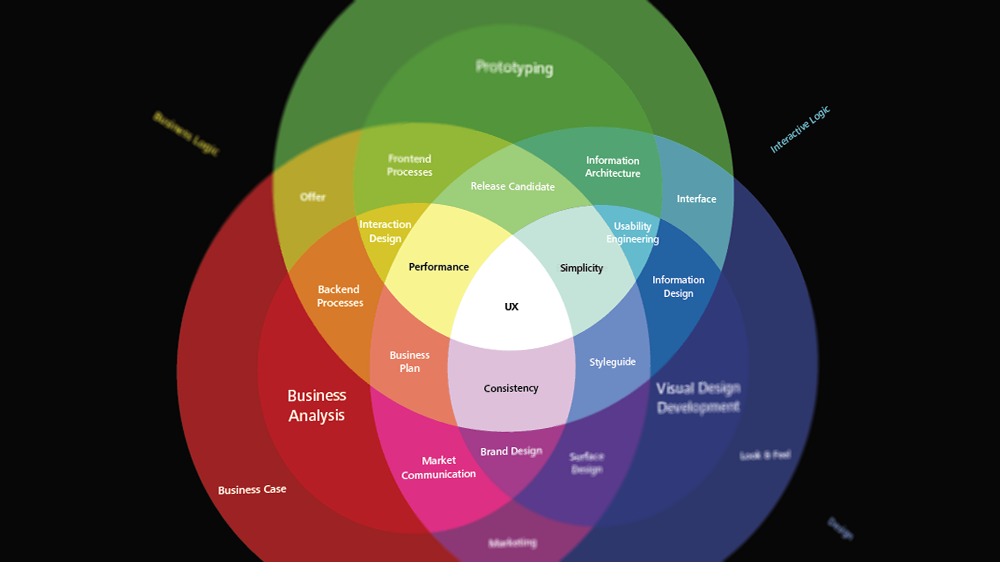
UX spans disciplines and skills
A great user experience doesn’t spring forth fully formed from the UX team or a single great designer. Every aspect of the company, product, and organization influences that final experience. Designers conceive interactions and flows, engineers make them work, sales people introduce them to customers, and customer service reps help them when they inevitably encounter a problem. Every part of that is a link in the experience chain, and if any link fails, the chain will break.